

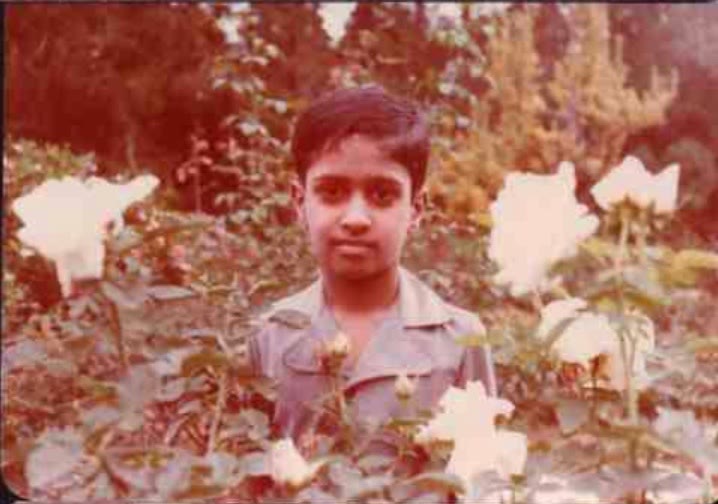
As foundThe print today — the dyes have shifted to red and most of the detail is buried.
Most families have one box. The color has gone red, the print has creased, and the faces are getting harder to see every year. This is what can be done with what is in that box — and, because it is worth saying plainly, what cannot.
A boy in a rose garden. The print has shifted almost entirely to red.
As foundThe print today — the dyes have shifted to red and most of the detail is buried.
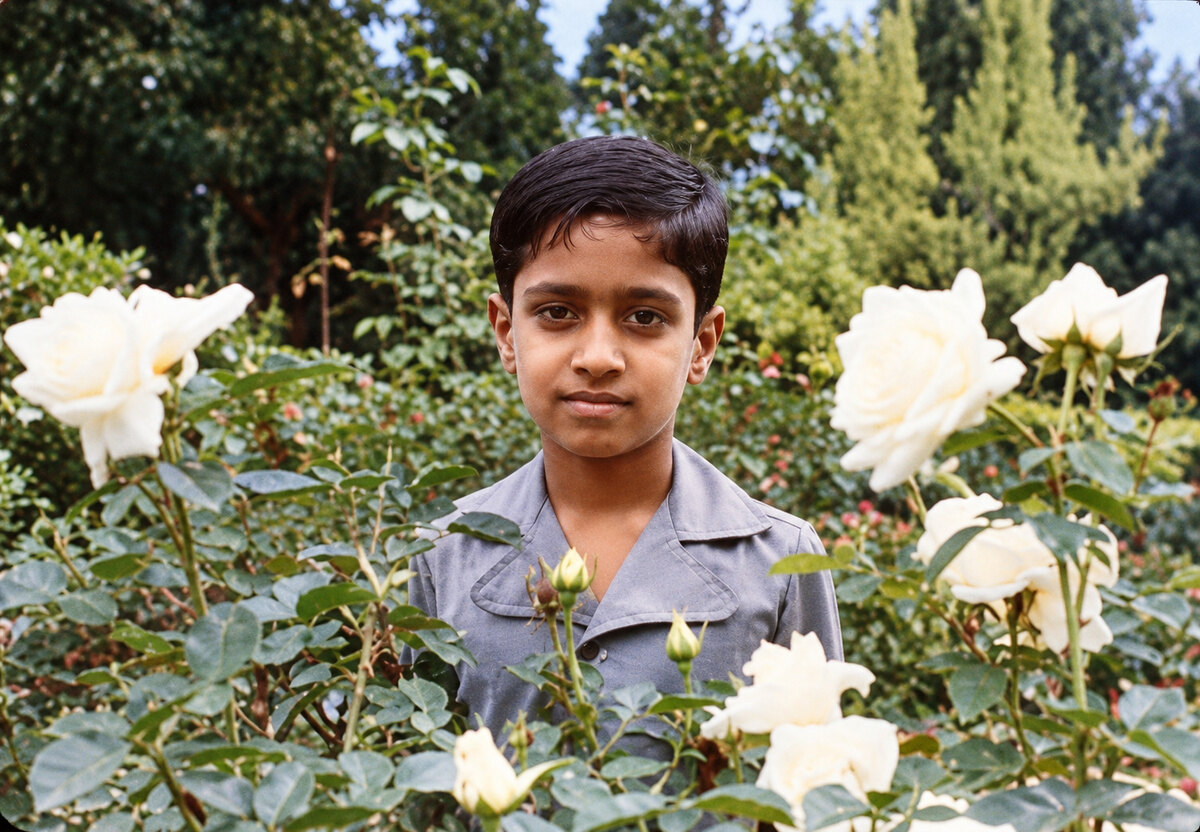
RestoredColor recovered, grain and dust removed, detail brought back.
MovingFive seconds. A breath, a blink, the leaves moving behind him.
Full length, in a garden of canna lilies. Dated June 1980.
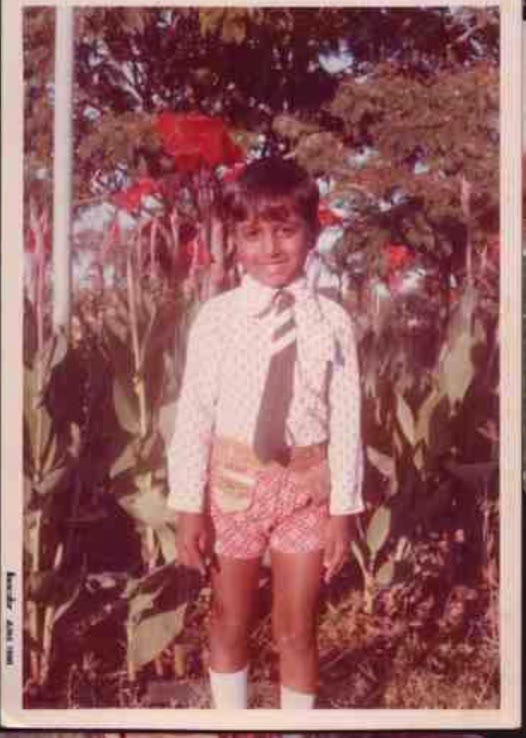
As foundFaded, low contrast, with the scan edges still showing.
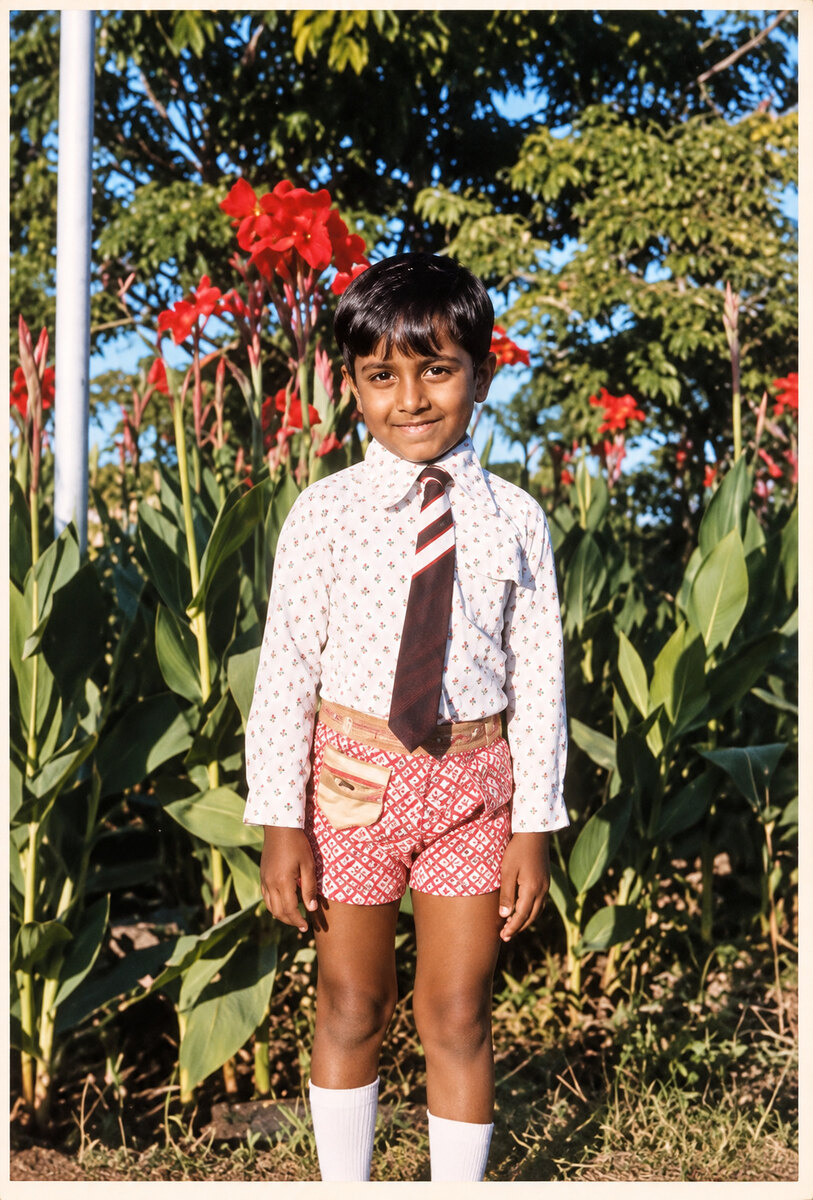
RestoredThe greens and the red flowers recovered; the shirt clean white again.
MovingThe plants stir, his tie lifts, he blinks. Nothing else changes.
A small studio portrait against a woven curtain — the smallest and most faded of the four, and the only one where the file itself sets the limit. The print survives at 276 pixels across. What comes back is a fair likeness rather than recovered detail, so this one belongs at the Full end of the scale below, not the Faithful end.
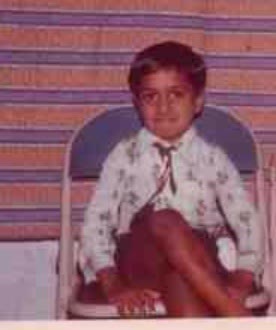
As foundBarely 276 pixels across. Almost entirely pink.
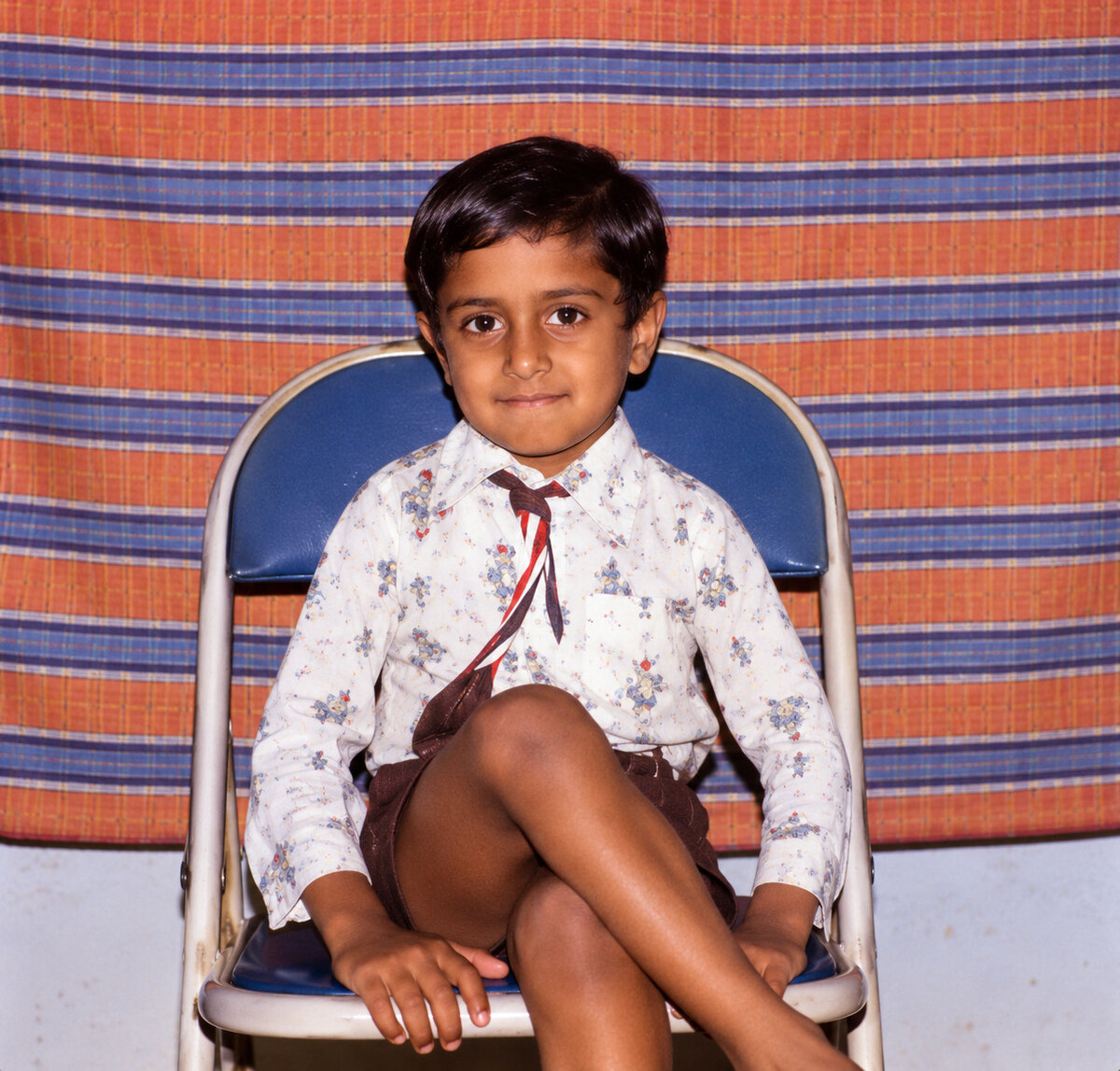
RestoredThe curtain’s blues and oranges back, the shirt readable again. At this size much of the face is reconstruction rather than recovery, and we say so.
MovingOne slow blink, built from the restored frame and not from the faded print — which is what keeps the face his.
On the roof in a scout uniform, cap badge and all. The print had been kept on its side for years and one corner has torn away.
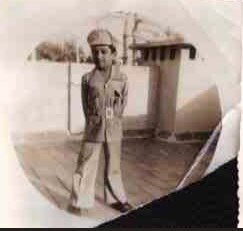
As foundFaded almost to sepia, torn at one corner, and stored on its side for years. The scan came in sideways; both are shown upright here.
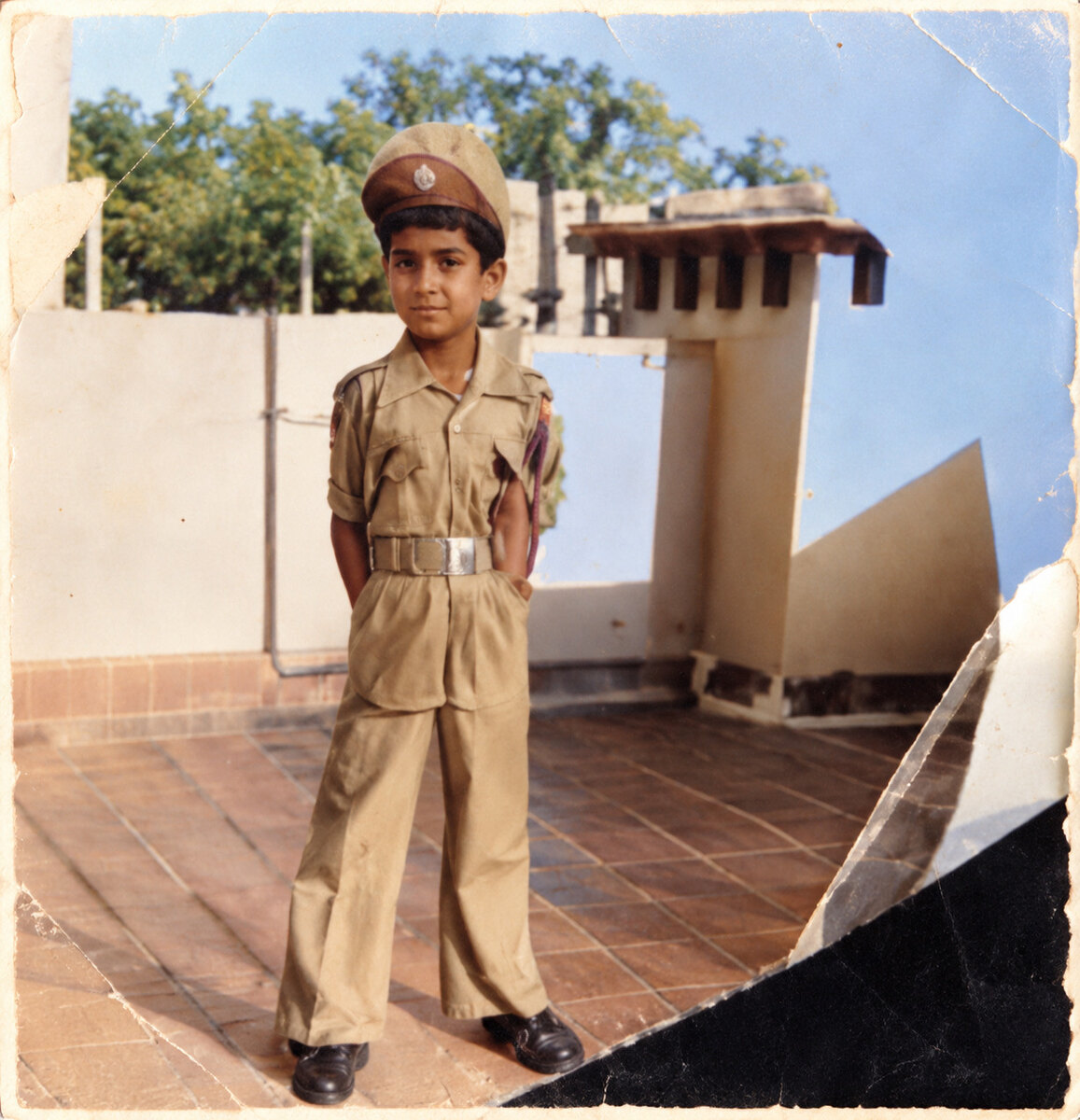
RestoredUpright again. The khaki, the belt buckle and the brick terrace recovered. The torn corner is left exactly as it is — it is part of the print’s history, not damage to hide.
MovingHe breathes and blinks. The trees beyond the parapet move; his feet do not.
There was no print to work from and no negative. Mak’s grandmother survives as a phone snap of a framed portrait still hanging on a wall — taken through the glass, at an angle, with the reflection of the room across her. If your only copy of someone is a picture you took of a picture, this is what we can do with it.
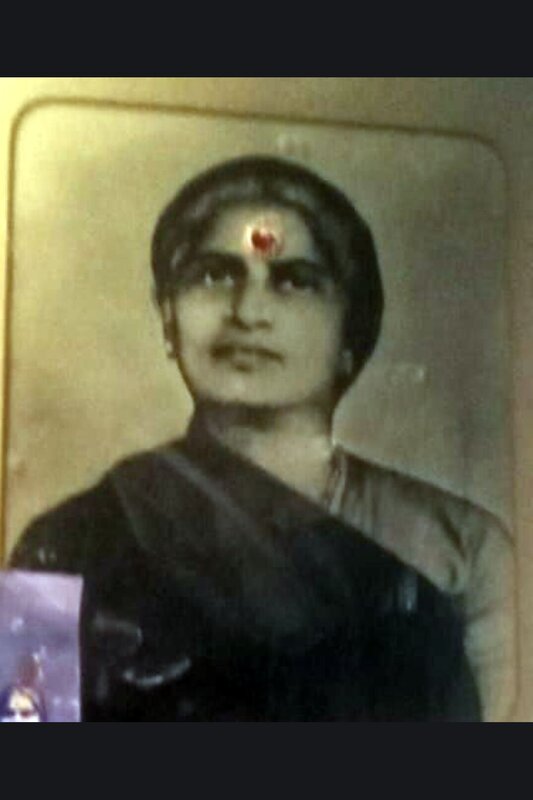
As foundA phone photograph of a framed print, shot through glass at an angle. Straightened and cleaned — but every mark in it is really there.
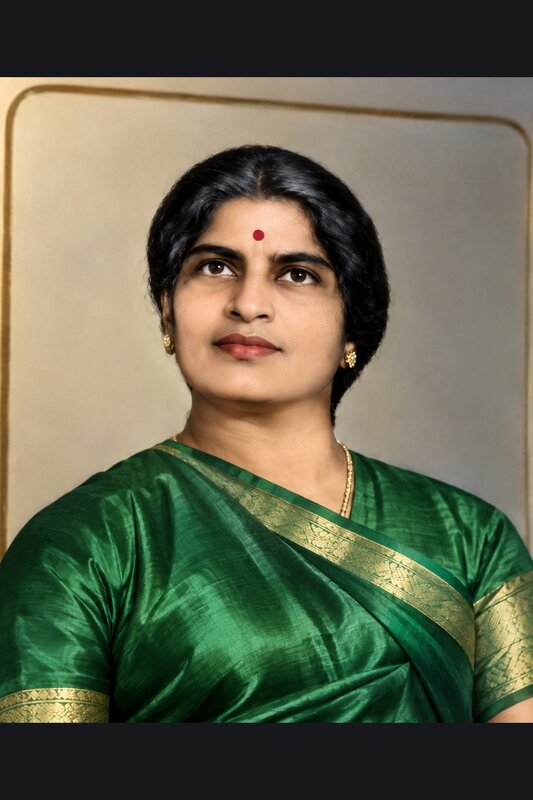
RestoredThe glass, the haze and the angle gone. Green silk saree — her family’s memory, not our guess.
Her age is untouched. This is the woman the portrait shows, at the age the portrait shows her, with seventy years of glass and dust taken off.
The hardest source we have worked from, and the clearest picture of how a restoration actually gets to the right answer. Not one pass. Four — each one fixing a single thing, and the family was right about every one of them.
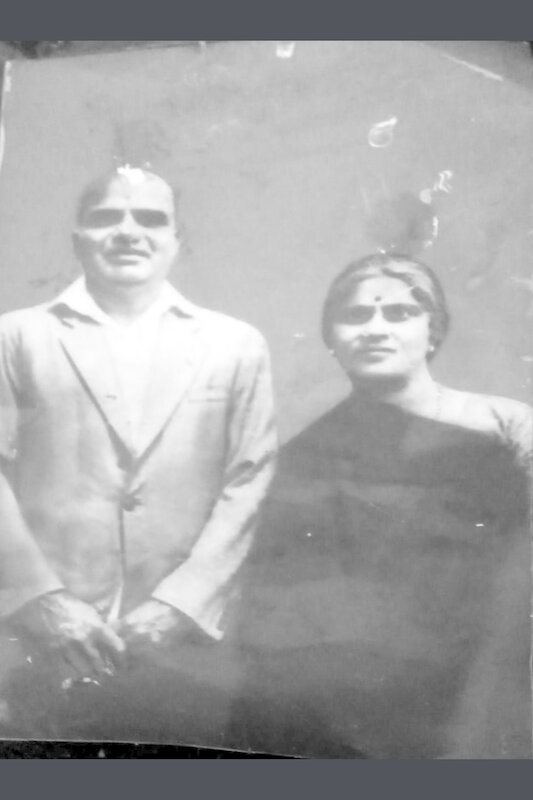
As foundFaded to a single blue, curled, torn at one corner, stained. Neither face has readable eyes.
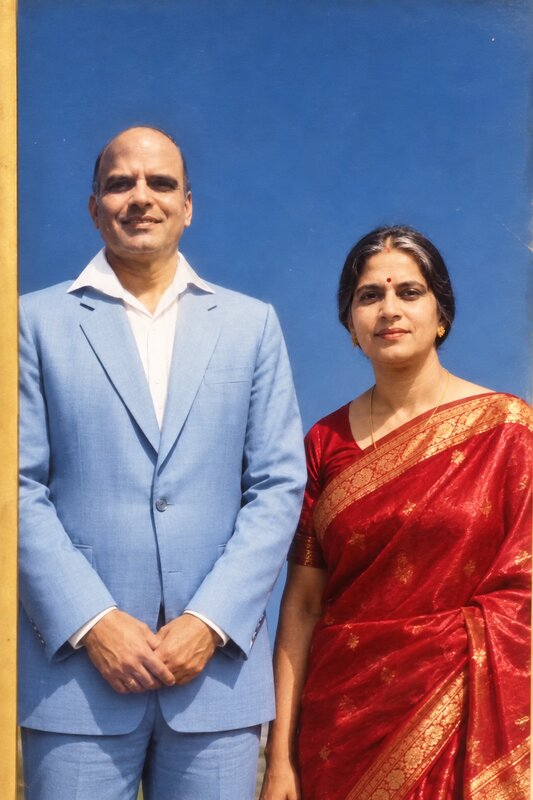
First passColors from the family — red silk saree, light blue suit, white shirt. Both faces came back. But their skin came back too light.
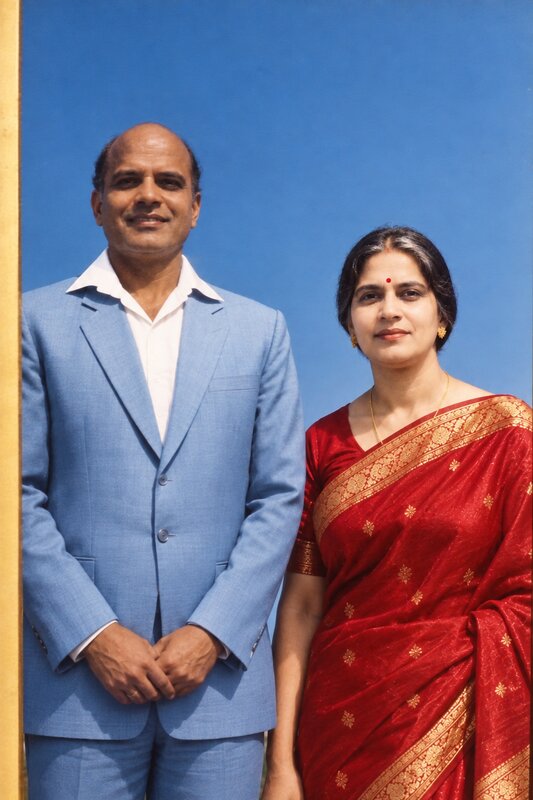
CorrectedThe family put it right: they are East Indian, and their skin is deeper than that. Both of them.
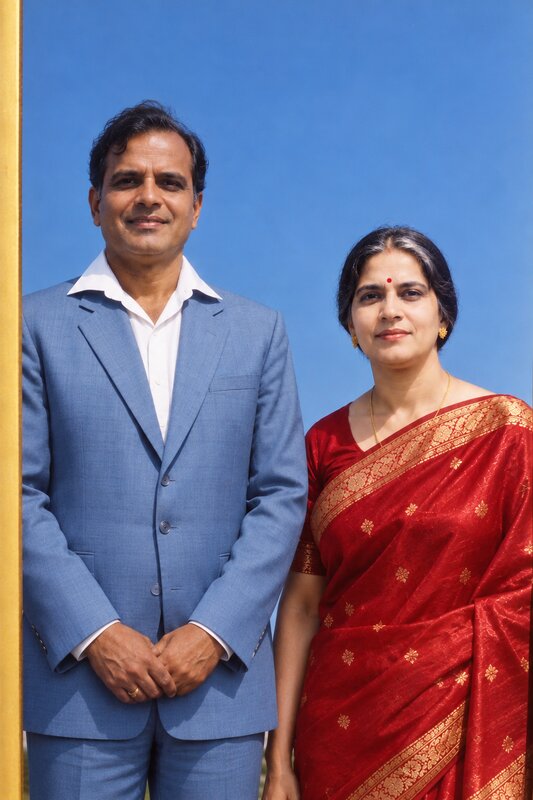
The one they kept“Give my grandfather his hair back.” One sentence, one more pass. This is the one on the wall.
The second panel is the one worth looking at twice. Nothing in a blue-faded print says what color anyone was — not their clothes and not their skin. Asked to fill that in, these tools reach for a lighter skin tone than the person had. It is a known bias, it is not ours to argue with, and there is only one reliable correction for it: the family, who knew them. So we ask, we show you what came back, and we keep going until you tell us it is them. No age was changed here and no feature was moved — this is the same two people, in the same moment, with the damage taken off.
We will always tell a family which one they are getting. Nobody should discover it for themselves, holding our print next to their own.
The photograph is enlarged, cleaned and color corrected, and nothing is invented. Every feature is exactly as the camera recorded it. It will look softer than a photograph taken today, because it is one that was not. This is what we recommend, and what we do by default, for anyone who has died.
The photograph is rebuilt. Where the print no longer holds the information, it is reconstructed — and that includes parts of the face. The result is remarkable, and it is what you are looking at above. It is also, in small ways, an interpretation. We show both and let the family choose.
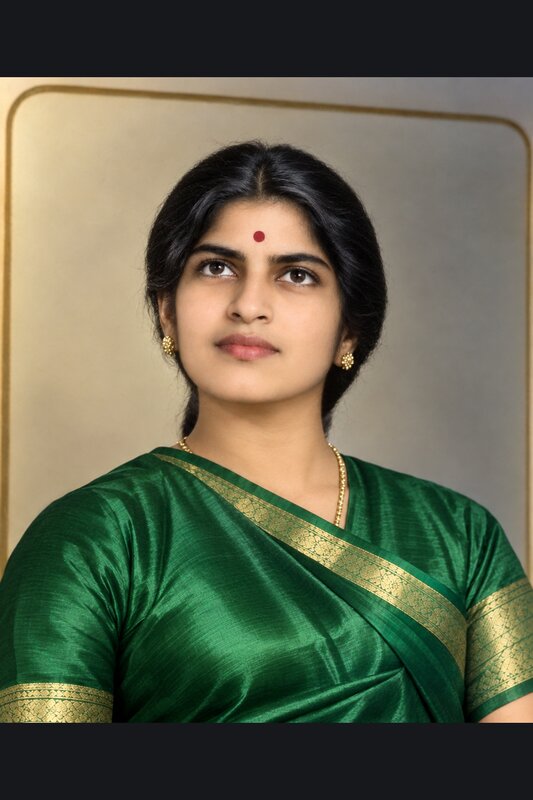
Further along the same line, and worth knowing exists. Faithful keeps what the camera recorded. Full rebuilds what the print has lost. De–Age goes past both and gives you a face the camera never saw — the same person, twenty or thirty years earlier, built from the photograph you have. It is a reconstruction and we say so on the file, but the likeness is carried over from the real picture and families tend to recognize it immediately. It is priced and ordered separately, and not every photograph can carry it — we look first and tell you honestly. See what it looks like →