

Films for review
Echoes of Life — private review page. Not listed, not indexed.
The dress she always wanted
She always wanted to dress like this. No photograph of her that way exists, and none can be taken now. Her son made it anyway.
Everything the note at the top of this page says applies here, and further. The face is hers, carried from a real photograph. The tavern, the gown, the fire and the young woman at the end are invented — this is a record of nothing that happened, and the young face is not a photograph of her. It goes past the step we sell, down to the twenty-year-old who reads as her own daughter. Here that is the point of the piece rather than a fault in it.
Not on the price list. It sits on this page because it is the far edge of what this line reaches, not because it is for sale. If it ever is, it needs its own words — it is not making the same promise as the three pieces below.
Thirty years back Product Code:EOL-B-001
One photograph in, one photograph out. Drag the handle — left is the photograph as it is today, right is the same woman in her early thirties. Same sari, same necklace, same porch, same afternoon.
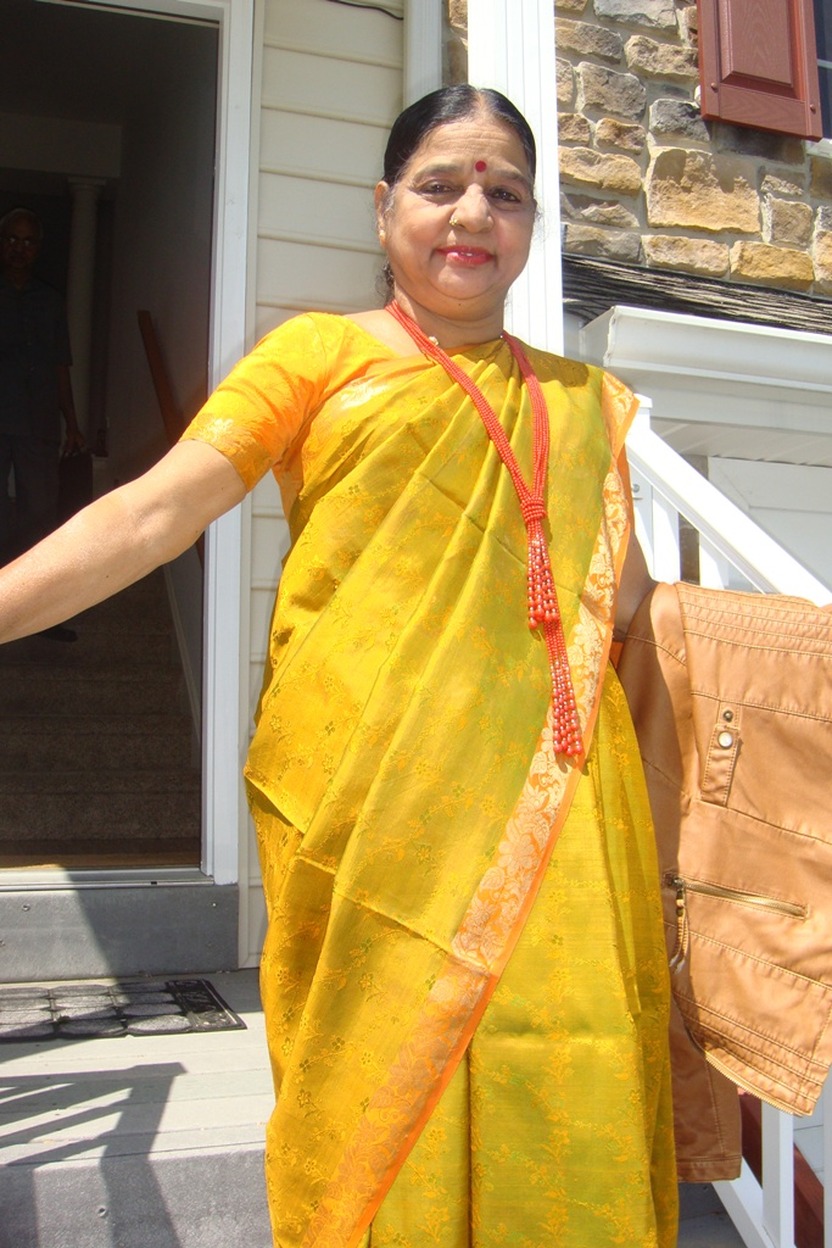
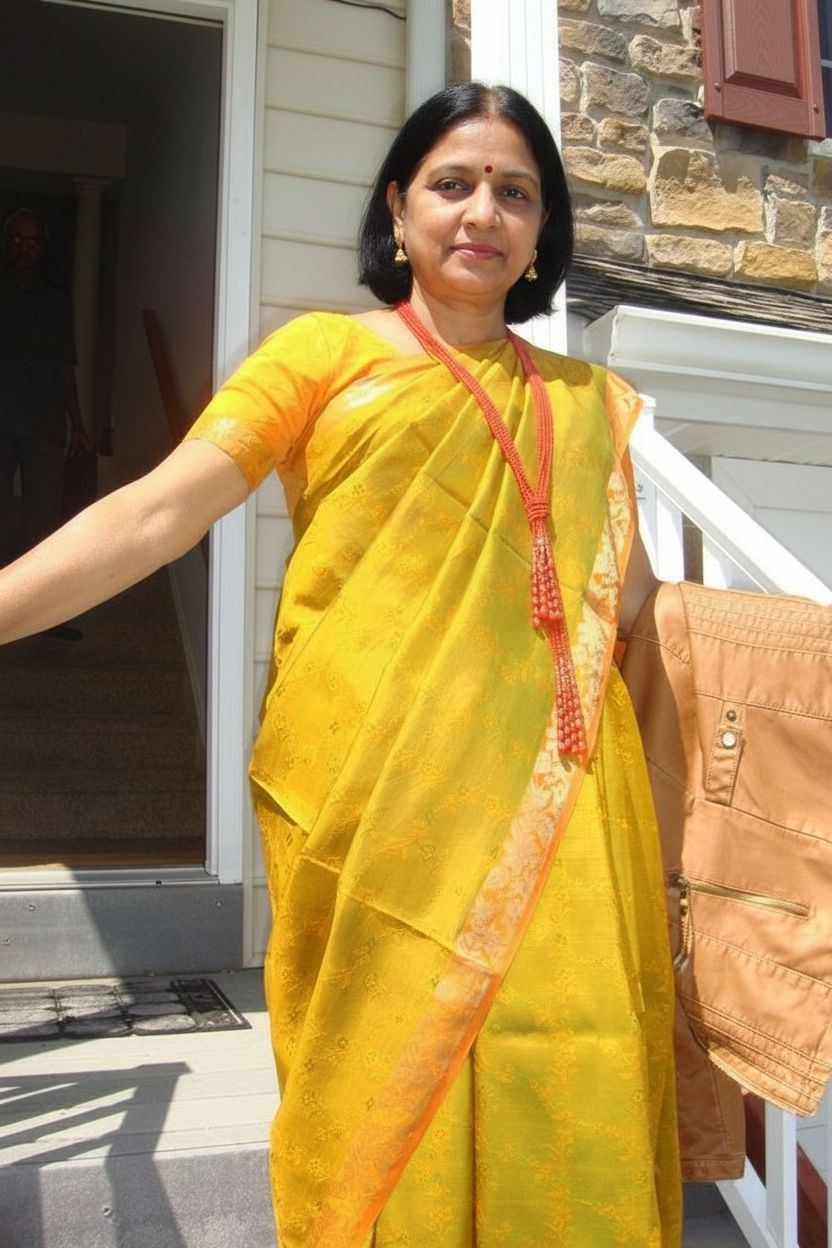
Mak’s mother.
How far it can go Product Code:EOL-B-002
The same photograph taken further back. Judge these side by side: the one on the left is the step we recommend, the one on the right is where the likeness starts to become somebody else. Mak’s mother.
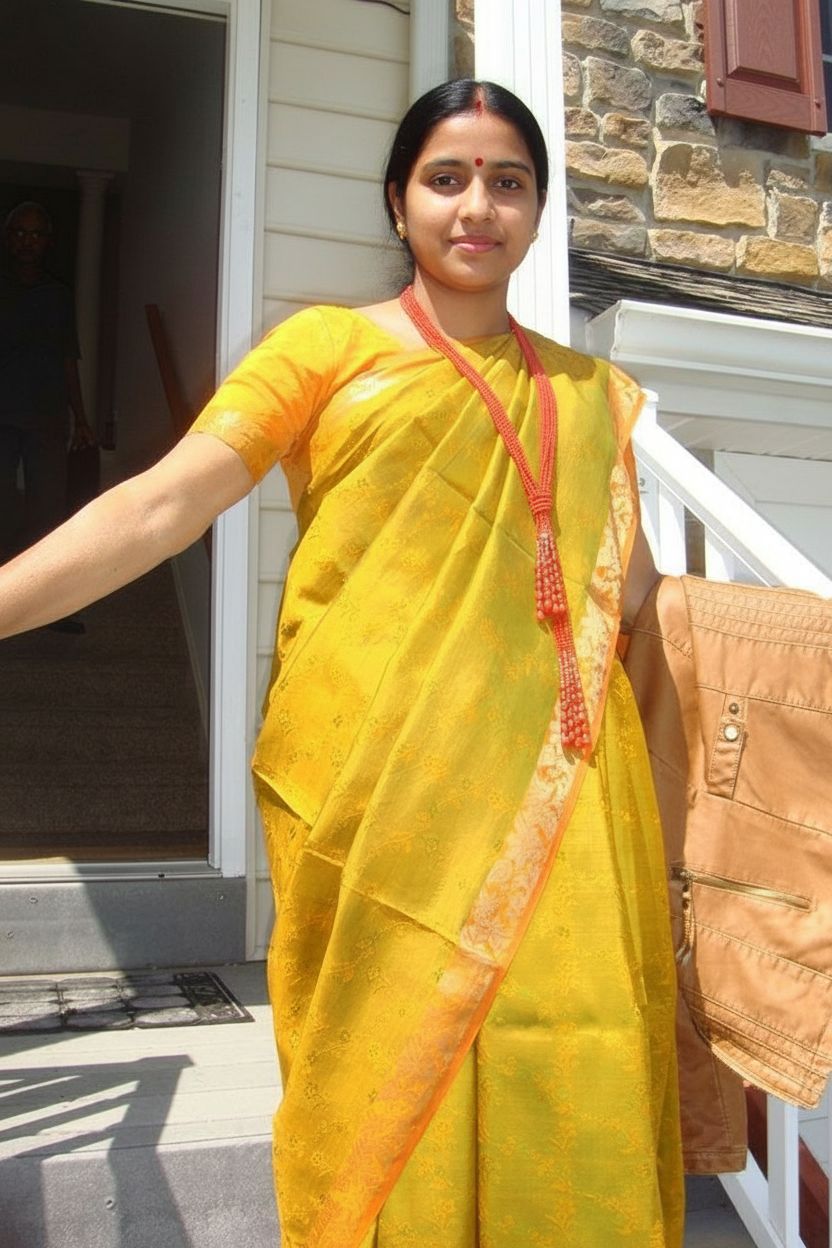
The years passing Product Code:EOL-B-010
Ten seconds, one continuous take, no cuts anywhere. Her face travels the years while she stands still and smiles; the sari, the porch and the afternoon never change. Built from two stills and joined on a half-second dissolve — a cut would read as an edit, and the whole point is that nothing ever cuts. Mak’s mother.
Which direction? Backward is the surprise — it ends on a face nobody in the family has ever seen, and that is the moment people react to. Forward is the elegy — it ends on the photograph they already know and love, which is what belongs at a service. Sell both; they are one render.
What a family sends, and what they get
| They send | One clear photograph of the face. A phone photograph of a print is fine — we restore it first. |
| They choose | How far back. We recommend fifteen to thirty years and say why. |
| They get | A high-resolution file, and the original untouched. The moving version is a separate piece. |
| Always | The sentence at the top of this page, on the file and on the invoice. |
Living people need written consent, the same as hero films. For someone who has died, the family member commissioning it signs. We do not build this from a photograph somebody found.